Summer Holiday Budget Guide: Plan Your Perfect Getaway for £1,500-£5,000
Summer Holiday Budget Guide: Plan Your Perfect Getaway for £1,500-£5,000
Are you dreaming of a summer escape but worried your bank balance can't handle it? You're not alone. The average British family spends £2,800 on summer holidays, yet many feel they're overpaying. This guide breaks down exactly what summer travel actually costs and how to stretch your pounds further.
Understanding Your Summer Holiday Budget Tiers

Before you book anything, determine which budget category fits your situation. A budget summer holiday (July-August, peak season) typically costs £1,500-£2,500 for a family of four in Europe. Mid-range holidays run £2,500-£4,000, while luxury breaks exceed £5,000. These figures include accommodation (30-40% of budget), flights (20-25%), food (15-20%), activities (15-20%), and miscellaneous costs (10-15%).
The timing matters enormously. Traveling in June or early September saves 25-40% compared to school holidays in July and August. A week in Portugal costs roughly £1,200 per person in June but £1,800 in August. If flexibility exists in your schedule, shoulder season travel is the sweet spot—you get warm weather without peak-season pricing.
Consider your destination's value factor. Turkey, Greece, and Portugal offer exceptional value (meals £5-8, accommodation £40-60 nightly). Spain costs slightly more (meals £7-10, accommodation £50-70). France and Italy run 20% higher. Eastern European destinations like Croatia or Hungary provide quality experiences at 30% less than Western Europe. All-inclusive packages to Turkey or Egypt can halve costs versus independent travel in pricey destinations.
Flight Costs: Timing, Flexibility, and Smart Booking
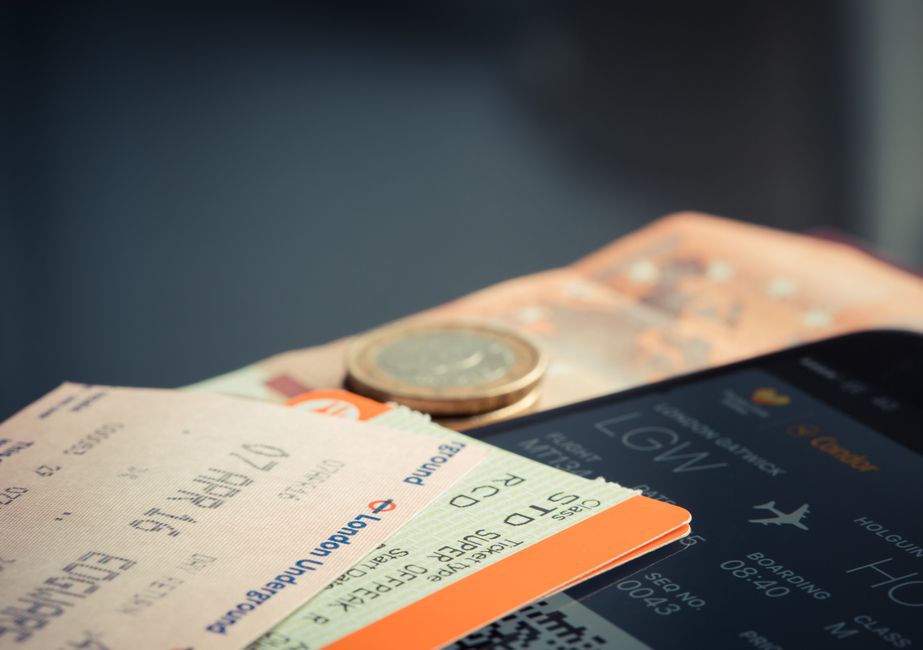
Flights consume 20-25% of most summer holiday budgets, yet poor booking strategies waste hundreds of pounds. Booking 8-12 weeks in advance (late March to mid-April for summer) yields the cheapest fares. Expect to pay £150-250 per person for European flights from UK airports in June; July-August prices jump to £200-350 per person. Direct flights cost 15-30% more than one-stop itineraries.
Midweek flights (Tuesday-Thursday) cost 10-20% less than Friday-Sunday departures. Flying from regional airports (Manchester, Birmingham, Bristol) instead of London saves £20-60 per ticket. Budget airlines (Ryanair, EasyJet, Wizz Air) offer the cheapest fares but add costs through baggage fees (£15-30 per person each way), seat selection (£10-20), and boarding priority charges.
Don't overlook package deals. Flight-plus-hotel bundles save 15-25% versus booking separately, particularly with operators like TUI or First Choice. Flight comparison tools (Skyscanner, Kayak, Google Flights) track price trends, and setting alerts for your desired route catches deals 48 hours after price drops.
Consider alternative strategies: flying out of the UK on budget airlines and returning on full-service carriers, or using loyalty points and credit card rewards. Families should explore child discounts (children aged 2-11 cost 50-75% of adult fares on budget carriers), though most European destinations charge full fares.
Accommodation: Finding Value Without Sacrificing Comfort

Accommodation represents your largest expense, typically 30-40% of the total budget. A four-star hotel costs £100-150 nightly in Mediterranean destinations (June-August), while three-star properties run £60-90 per night. Self-catering apartments and villas (£50-100 per night) work well for families, spreading the cost across multiple people and allowing budget-friendly self-prepared meals.
Airbnb and holiday let platforms offer alternatives to traditional hotels. A one-bedroom apartment in Lisbon costs £45-70 nightly; equivalent Barcelona accommodation runs £70-100. Always factor in cleaning fees (typically £25-60 for entire stays).
For budget-conscious travelers, consider:
All-inclusive resorts (£1,000-1,400 per person for a week including flights and accommodation) eliminate surprise food costs but often lack local authenticity.
Apartment swaps and house exchanges through HomeExchange or similar platforms cost only membership fees (£100-150 annually) and save accommodation costs entirely.
Hotel loyalty programs reward frequent travelers with free nights; three summer holidays accumulate enough points for a free week within 2-3 years.
Last-minute bookings (within 2 weeks) can slash hotel prices by 30-50%, but require schedule flexibility.
Book directly with accommodations for July-August trips, as most hold inventory for better rates than aggregator websites. Three-star properties in second-tier cities (Braga instead of Lisbon, Krakow instead of Warsaw) cost 40% less than major capitals while offering identical quality.
Eating and Activities: The Hidden Budget Killers

Food and activities trip up most travelers. Restaurant meals in tourist areas cost 2-3 times more than local spots: a pizza in Rome's centro costs £12-15; the same pizza in a neighborhood trattoria runs £6-8. Budget £25-40 daily per person for food in Southern Europe, £35-50 in France, and £20-30 in Eastern Europe.
Money-saving tactics include:
Activities budget should reflect your interests. Museum passes (free entry for 48-72 hours) cost £40-70 and save money if visiting 3+ museums; Prague's three-day pass costs £58 but saves £25+. Free activities include beaches, parks, walking tours, and architecture viewing. Many cities offer free walking tours with tips-only payment (£10-15 suggested).
Manage activity costs by researching before traveling: a Venice gondola ride costs £80-100 (often non-negotiable), but water buses cost £8-12. Book major attractions online weeks ahead to secure discounted tiers and skip entrance lines.
Smart Packing, Travel Insurance, and Emergency Funds
Often-overlooked costs drain budgets quickly. Travel insurance costs £15-40 per person for a week and covers medical emergencies, cancellations, and luggage issues—non-negotiable for peace of mind. Budget currency exchange losses (typically 2-3%) when withdrawing cash abroad; using UK debit cards in European ATMs minimizes fees compared to airport exchange services.
Pack strategically to avoid baggage fees: one carry-on bag per person plus personal item eliminates £30-60 in checked baggage fees. Pack versatile clothing reducing laundry needs (expensive abroad) and travel-size toiletries to avoid overweight luggage fees.
Always maintain a 10% emergency fund cushion—unexpected costs (broken glasses, medical issues, transportation delays) occur in roughly one of every five trips. This £150-500 buffer prevents holiday stress from derailing finances.
Planning Your Summer Holiday: The Month-by-Month Breakdown
For a family of four with a £3,000 budget:
June travel (recommended for best value):
August travel (peak season, same destinations):
The difference: traveling off-peak saves 30-40%.
Making Your Summer Holiday Dreams Reality
Successful holiday budgeting requires honest assessment of priorities, booking timing discipline, and willingness to trade peak-season crowds for financial breathing room. Start planning in March for June travel, lock in accommodation by April, and book flights 10-12 weeks ahead.
For comprehensive holiday planning—from destination research to activity recommendations and real-time budget tracking—explore Ptera. This platform helps you discover summer getaways tailored to your budget, compare costs across destinations, and execute the strategies outlined here with confidence. Whether you're seeking Mediterranean beaches, Alpine mountains, or cultural city breaks, Ptera connects you with options that don't break the bank.
Your perfect summer holiday isn't out of reach—it requires smart planning, strategic timing, and knowing where to invest your pounds. Start today, book within the recommended windows, and watch your dream getaway become reality.