August Cool-Weather Escapes: Beat the Heat with These 5 Global Destinations
August Cool-Weather Escapes: Beat the Heat with These 5 Global Destinations
While most of the Northern Hemisphere swelters through August, savvy travelers know a secret: this is actually the perfect month to visit some of the world's coolest destinations. If you're exhausted by summer humidity and triple-digit temperatures, August presents an ideal window to escape to elevations, latitudes, and climates where temperatures hover between 55-70°F. Here's how to plan your cool-weather August getaway.
1. Iceland: Nature's Air Conditioning
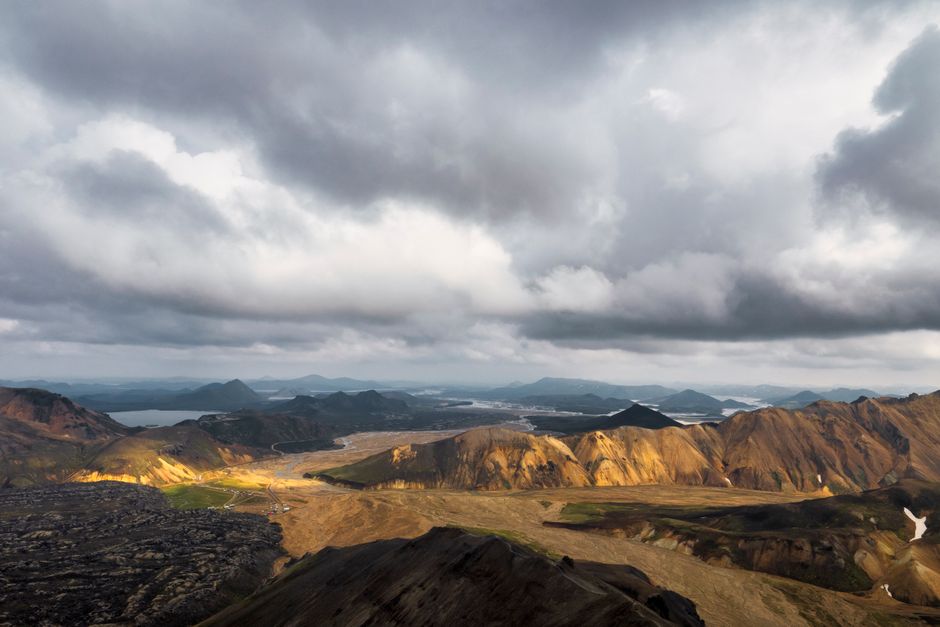
August in Iceland is nothing short of magical. While most of Europe bakes, Iceland maintains temperatures between 50-59°F, making it ideal for outdoor exploration without the sweat. This is peak season for a reason—you'll experience nearly 24 hours of daylight, giving you endless time to explore.
The Blue Lagoon remains a draw, but venture beyond tourist hotspots to hidden geothermal pools around the countryside. August is optimal for hiking Landmannalaugar's colorful rhyolite mountains or traversing the Laugavegn trail. You'll encounter manageable weather compared to other months, with minimal rainfall expected. Accommodation and tours book quickly, so reserve 2-3 months in advance.
August sees roughly 12,000-15,000 daily visitors, which is high but manageable compared to July. Budget $150-250 per night for mid-range hotels in Reykjavik. Domestic flights to smaller towns cost $80-150, opening access to less-crowded regions like the East Fjords.
The midnight sun phenomenon means restaurants stay open until 10 PM or later, and you can photograph at 11 PM in natural light. Pack layers—weather shifts rapidly from sunny to rainy within hours.
2. New Zealand's South Island: Winter Wonderland
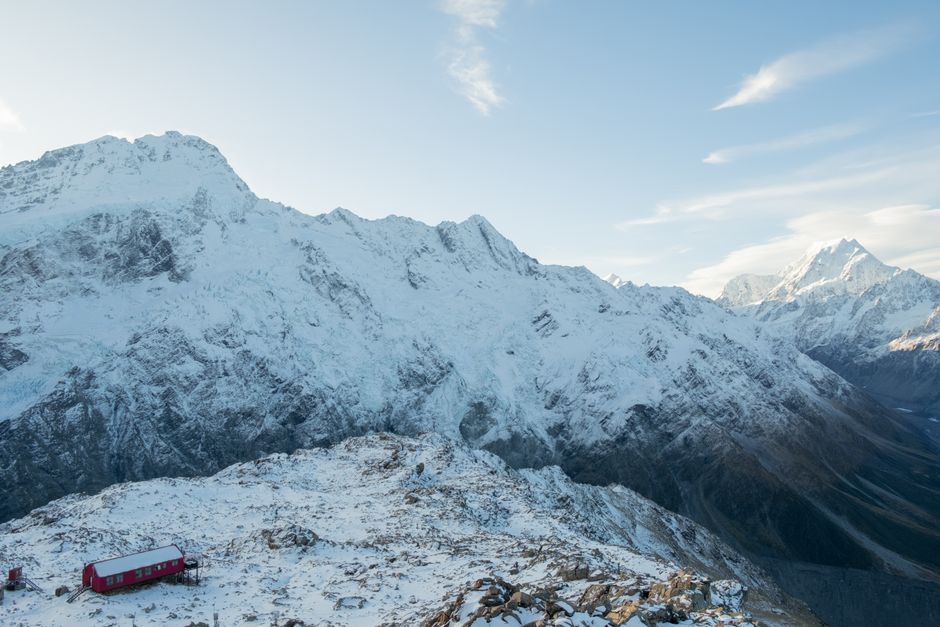
While it's winter in the Southern Hemisphere, August's New Zealand temperatures reach only 41-50°F, perfect for active travelers. This is ski season, but non-skiers will love the crisp air, stunning landscapes, and minimal crowds compared to summer months (December-February).
Queenstown and Wanaka offer world-class skiing, but August also excels for hiking. The Milford Track, one of the world's great walks, operates year-round with fewer hikers in August. Expect 3-4 hours of daylight and potential snow above 3,000 feet elevation.
Crude Point: August is the cheapest month for accommodation outside ski resorts. Budget hotels drop from $120 to $60-80 nightly. Car rentals average $40-60 daily, and most roads remain accessible despite winter conditions.
The West Coast near Franz Josef Glacier experiences dramatic scenery—imagine hiking alongside retreating glaciers beneath moody winter skies. Day tours cost $180-250 and include breakfast and gear. Pack serious winter layers; temperatures can plummet to 32°F at night.
3. Swiss Alps: Alpine Perfection
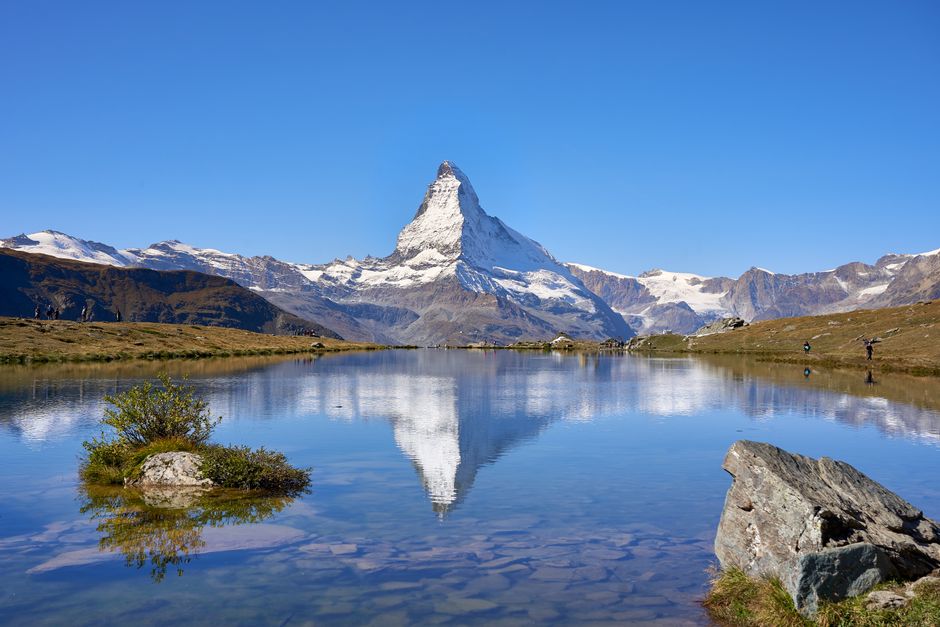
August is peak hiking season in Switzerland, with alpine meadows in full bloom and temperatures between 52-66°F. Unlike July, August sees slightly fewer tourists while maintaining full accessibility to mountain trails, villages, and cable cars.
Interlaken remains the hub for outdoor activities, but branch out to lesser-known valleys. The Oeschinen Lake hike (1.5 hours from Kandersteg) stays relatively quiet in August and rewards you with turquoise waters surrounded by 8,000-foot peaks. The Appenzell Alps offer rolling green landscapes ideal for 3-5 hour day hikes without severe elevation gain.
Accommodation costs $100-180 for guesthouses in smaller towns like Grindelwald or Murren. Mountain huts provide dormitory beds for $40-60. Cable car day passes run $80-120. August sees approximately 3.5 million visitors to Switzerland, up 8% from July, but still manageable outside Zurich and Lucerne.
Weather is remarkably stable—expect 7-9 hours of daylight and rain only 2-3 days per week. Sunsets occur around 9 PM, extending exploration time. Pack waterproof jackets and sturdy hiking boots; trails become muddy after afternoon thunderstorms.
4. Patagonia, Argentina: Southern Adventure
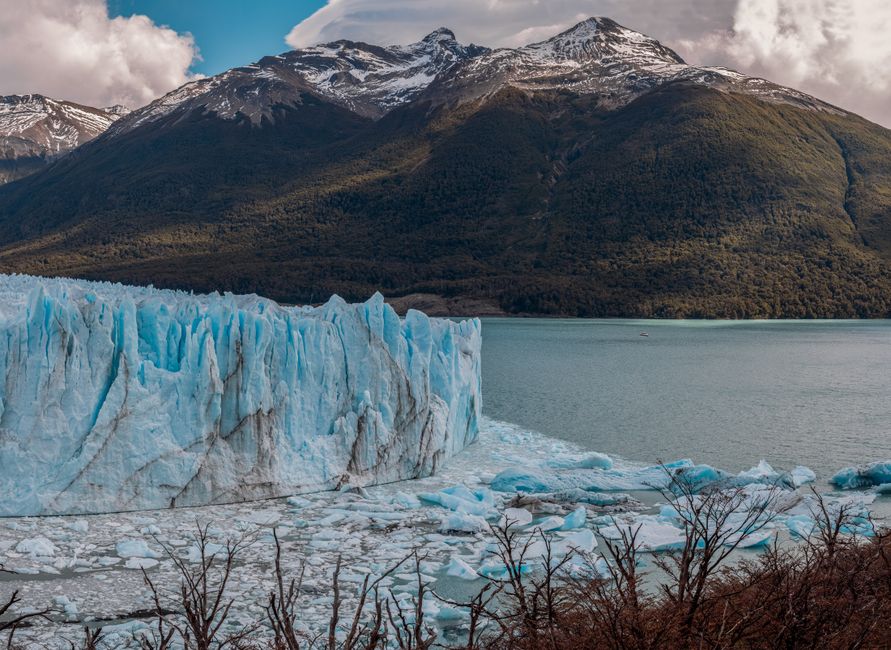
August marks late winter in Patagonia, offering a peculiar advantage: lower prices, minimal tourists, and dramatically beautiful clear skies. Temperatures range from 32-46°F, demanding preparation but rewarding adventurers with solitude at iconic locations.
El Chaltén's Fitz Roy hike (8.7 miles, moderate difficulty) sees perhaps 30-40 hikers daily in August versus 300+ in January. The 3-day trek to Laguna de los Tres Picos offers unobstructed views of granite peaks rising 11,000 feet. Los Glaciares National Park remains accessible, with Perito Moreno Glacier still spectacular—though guided ice hikes may have limited availability.
Budget accommodations in El Chaltén cost $50-80 nightly. Park entry is $12 USD. Guided glacier treks run $120-160. The nearest airport (El Calafate) has flights from Buenos Aires ($150-250 roundtrip) 2-3 times weekly.
August offers 10-11 hours of daylight and generally clear skies—ideal for landscape photography. Wind can be fierce (30+ mph gusts common), so pack windproof layers. Few restaurants operate outside El Chaltén and El Calafate; plan meals carefully.
5. Norwegian Fjords: Nordic Serenity
August represents the tail end of Scandinavia's brief summer. Norway's Geirangerfjord and Sognefjord offer temperatures between 55-64°F, perfect for hiking, kayaking, and exploring without August's overwhelming tourist masses present in July.
The Geirangerfjord (a UNESCO site) attracts roughly 40,000 cruise passengers daily in peak summer; August's numbers drop to 20,000-25,000. Hiking trails around the fjord—like the 6-mile Trollstigen route—remain uncrowded. Kayaking among fjord waters costs $80-120 for guided 3-hour tours.
Budget $110-160 nightly for mountain lodges. Domestic ferries cost $15-40. The Flam Railway (20-mile scenic train through mountains) runs year-round at $70 roundtrip. Expect 15-16 hours of daylight with near-permanent twilight after 9 PM.
August sees occasional rain (4-5 days) and cooler evenings, but summer clothing suffices with a waterproof jacket. Restaurants stay open through August, though hours vary. Book accommodations 4-6 weeks ahead.
Planning Your August Cool-Weather Escape
Choosing between these destinations depends on your activity level and budget. Prefer hiking and nature? Iceland, Switzerland, and Patagonia offer world-class trails. Want dramatic fjord scenery? Norway excels. Budget-conscious? New Zealand and Patagonia provide excellent value outside high season.
Common threads unite all five destinations: elevations above 3,000 feet, latitudes above 45°N (or below 45°S in New Zealand), and consistent 50-70°F temperatures. August's typically stable weather patterns mean fewer weather cancellations than shoulder seasons.
August travel requires one key adjustment: pack autumn/spring clothing even though it feels summer elsewhere. Layers are essential—mornings start at 40°F but warm to 60°F by afternoon. Waterproof jackets aren't optional; daily rain occurs in 30-40% of August in Nordic regions.
The cost advantage is substantial. Hotels drop 20-30% compared to July. Flights to New Zealand and Patagonia decrease 15-25%. You'll save hundreds simply by shifting travel dates by 2-3 weeks.
One more advantage: fewer crowds mean personalized service. In Iceland's small towns, tour operators remember repeat visitors. In Swiss mountain villages, restaurants give you tables with the best views. In Patagonia's remote hikes, you might see only 5-10 others daily.
Book Your Cool-Weather Adventure Today
August cool-weather travel requires early planning—ideally 8-12 weeks before departure. Flights book up as travelers recognize August's advantages, accommodation in popular towns fills by mid-May, and guided tour slots vanish.
For comprehensive planning assistance and personalized itineraries for any of these destinations, Ptera offers expert travel consultation. Their specialists can craft custom August itineraries, secure discounted accommodation rates, and arrange logistics that transform your escape into a perfectly orchestrated adventure. Why spend August sweating when you could be hiking among glaciers or exploring fjords in crisp mountain air?